Exploring the Technology Behind Cashierless Checkout

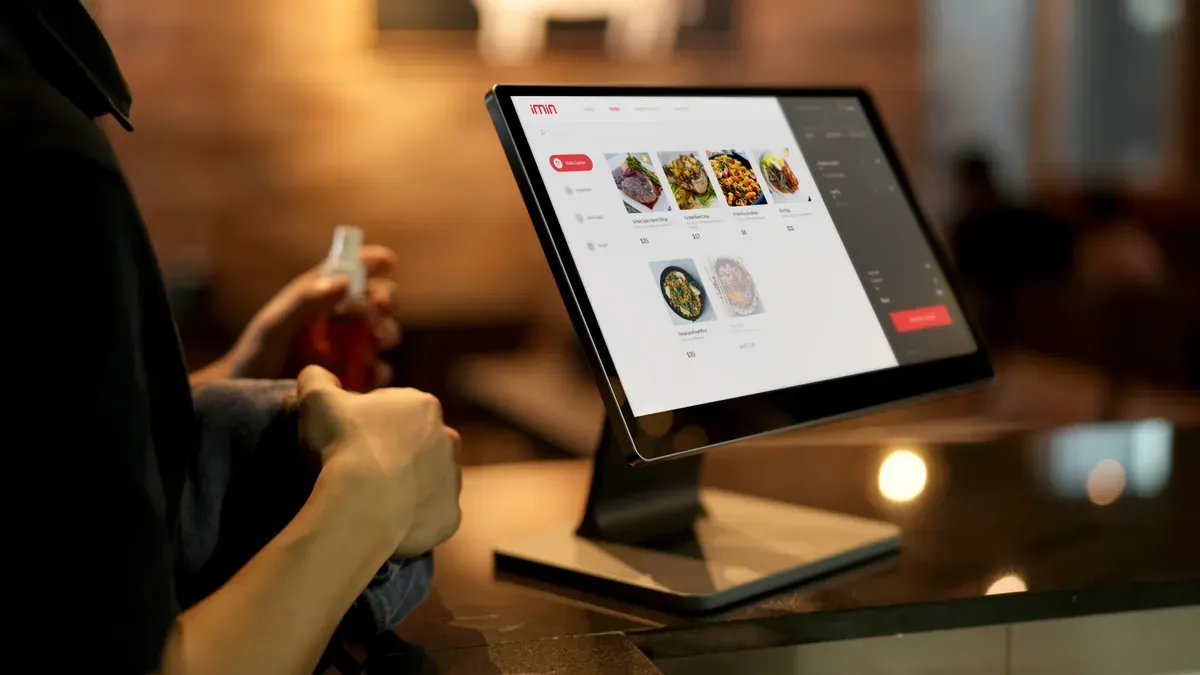
You walk into a store, grab things you want, and leave. There are no lines and no cashiers. Cashierless checkout systems use cameras, sensors, AI, and RFID to watch what you take right away. This technology makes shopping fast and easy. But you might see lots of cameras watching you and even recording your face. Some people feel worried about being watched and having their personal data collected. Your privacy and safety are important, especially when stores use biometric features that cannot change if stolen.
Key Takeaways
Cashierless checkout systems use cameras, sensors, and AI. They watch what you buy as you shop. This makes shopping fast and simple.
You can get into stores by scanning a card or using an app. This lets you shop without waiting in lines.
These systems help stores work better. They lower labor costs. Staff can spend more time helping customers.
Privacy and data safety are very important. Stores must follow rules to protect your personal information.
Cashierless systems have some problems. They cost a lot to set up. People also worry about privacy. Stores are trying to fix these issues.
Cashierless Checkout Systems Overview
Definition and Purpose
You might ask what cashierless checkout systems are. These systems let you shop without talking to a cashier. You grab things, and the technology keeps track of what you take. Cameras and sensors work with smart software to watch your choices. The main goal is to make shopping quicker and easier for you. Stores want you to spend less time waiting. They hope you have a smooth shopping trip. You do not need to scan each item or stand in line. The system does all the work for you in the background.
Comparison with Traditional Checkout
Cashierless checkout systems are very different from traditional checkout. The table below shows how both systems work:
Feature | Cashierless Checkout | Traditional Checkout |
|---|---|---|
Checkout Process | No lines; automatic item detection | Manual scanning of items |
Payment Processing | Automatic through an app | Pay at a cashier or self-checkout |
Customer Experience | Walk out without stopping | Wait in line and scan items |
Technology Used | Cameras, sensors, and mobile apps | Barcode scanners |
With cashierless checkout systems, you do not talk to a cashier. The system finds your items and charges you by itself. In traditional checkout, you wait your turn and scan each item. You pay by giving cash or a card to a person or using a machine. Cashierless checkout systems use new technology to save you time and make shopping easy.
Technology in Cashierless Checkout Systems
Cameras and Sensors
Cashierless checkout systems have cameras everywhere. These cameras take pictures of you and the things you pick up. Sensors help cameras watch what you do in the store. They notice when you grab or put back items. The cameras follow you as you walk around. Product recognition technology helps the system know what you take from shelves. Shopper association matches each item to the right person.
Cameras take pictures of people and products.
AI looks at these pictures to see what you pick up.
The system watches how you move and what you touch.
Product recognition technology sees when you take or return things.
Shopper association links items to the right shopper.
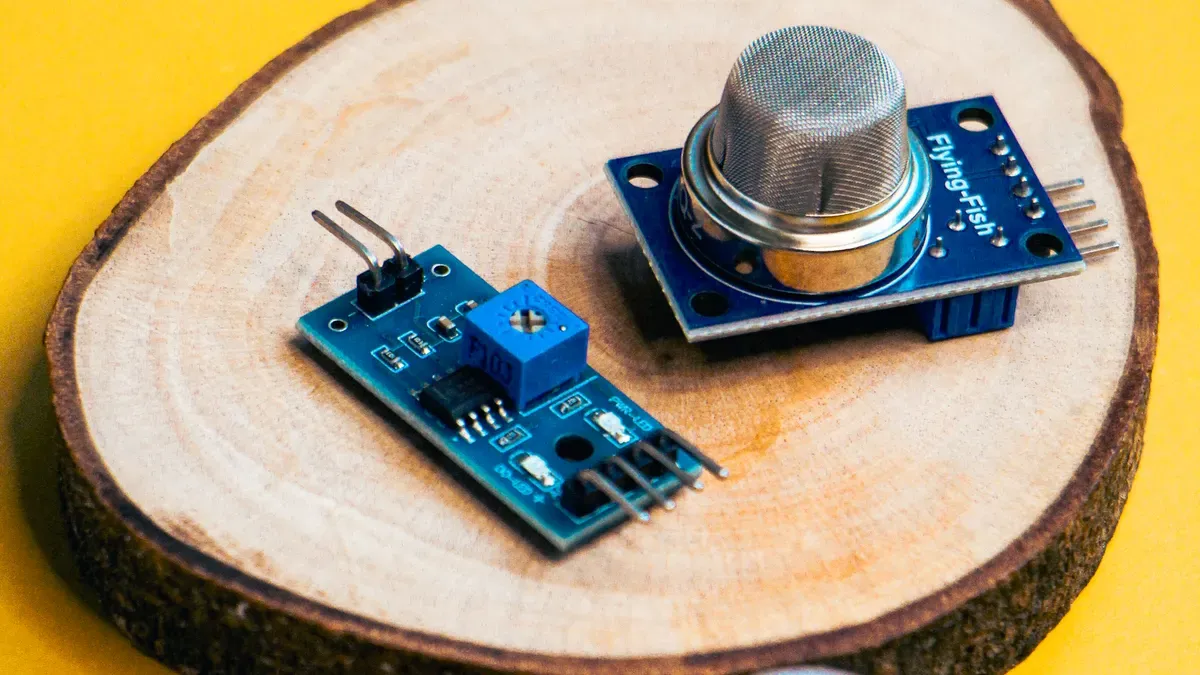
Sensors are very important in these systems. Stores use different sensors for tracking. The table below shows two main sensor types and what they do:
Sensor Type | Description |
|---|---|
RFID | Uses tags to find items. It helps at exits and in carts. |
Ultrasound | Uses sound waves to find and track things. It does not need to touch anything. |
These sensors help the system find items quickly and correctly. You get fast and accurate tracking of what you buy.
AI and Machine Learning
Artificial intelligence makes these systems smart. Cameras take pictures of products and make them clearer. AI finds things like shape, color, and texture in the pictures. The system saves these details as numbers called embeddings. Deep learning, like CNNs, finds patterns in the pictures. Object detection uses boxes to spot items fast. Instance segmentation draws outlines around products for better accuracy.
Cameras take and improve pictures of products.
AI finds features like shape, color, and texture.
Deep learning uses CNNs to find patterns in pictures.
Object detection uses boxes to spot items quickly.
Instance segmentation draws shapes around products.
Sensor fusion mixes camera data with other sensors, like weight or heat, to help find items.
AI helps the system find items correctly by using cameras and sensors together. The system learns from what you do and gets better over time.
RFID and Biometric Integration
RFID and biometrics make shopping even easier. You can enter the store by scanning your card, using an app, or scanning your palm with Amazon One. RFID readers at the exit find the items you take and make sure you pay for them. You can pay with a card, app, or by using biometrics.
You get into the store by scanning your card, app, or palm.
RFID readers at the exit find what you take out.
You pay with a card, app, or biometric scan.
Biometrics make shopping safe and simple. You use your own features, like your palm, to enter and pay. The system connects your identity to your shopping, so checkout is quick and easy.
Tip: Shopping is smooth with cashierless checkout systems because cameras, sensors, AI, RFID, and biometrics all work together to track your items and handle payments.
Customer Journey in Cashierless Stores
Store Entry and Registration
When you visit a cashierless store, you start by registering before you shop. Here is how you usually enter:
Download the store’s mobile app on your phone.
Open the app and sign in or create an account.
Link your payment method, such as a credit card, to your account.
At the store entrance, scan the barcode or QR code from the app at the gate.
The gate opens, and you walk in.
Some stores let you tap your card or scan your palm for entry. This process connects your identity to your shopping trip and makes the rest of your visit smooth.
Shopping and Item Detection
Once inside, you pick up the items you want. The store uses advanced technology to track your choices. Cameras watch your hand movements and see when you take something from a shelf. RFID tags on products let the system know what you pick up, even if the tag is hidden. Weight sensors in the shelves notice when you remove or return an item.
Technology | Function |
|---|---|
Computer Vision | Analyzes images and videos to recognize products without barcode scanning. |
Sensor Fusion | Combines data from cameras, RFID, and weight sensors for better accuracy. |
Deep Learning | Learns from your actions to improve product recognition and tracking. |
The system starts tracking as soon as you enter. Each time you interact with a product, the system logs your actions. Hybrid sensor methods and AI-powered checkout can reach over 98% accuracy, so you can trust that your virtual cart matches what you take.
Tip: You do not need to scan items yourself. The technology does it for you in real time.
Payment and Exit
When you finish shopping, you simply walk out. The system checks which items you have and charges your linked payment method automatically. You do not need to wait in line or talk to a cashier. Your digital receipt appears in the app soon after you leave.
Most cashierless checkout systems use your mobile app or a linked card for payment. This process is seamless and saves you time. You get a fast, easy shopping experience from start to finish.
Security and Privacy Measures
Data Protection
When you use cashierless checkout systems, stores get your personal information. They collect details about what you buy and how you pay. Sometimes, they even get your biometric data. Stores must protect your privacy by following strict rules. In the US and Europe, laws make stores handle your data with care. The table below shows two important rules:
Regulation | Region | Implications |
|---|---|---|
GDPR | EU | Stores must handle customer data carefully. This affects how cashierless systems work. |
Federal Data Protection Act | US | Stores must protect customer data in retail settings. |
Stores use encryption and safe servers to keep your information secure. You can look at privacy policies in the app to see how your data is used.
Theft Prevention
You might ask how stores stop theft without cashiers. Cashierless checkout systems use different technologies to prevent stealing:
Weight-Based Verification: The system checks if the item’s weight matches what you picked up.
AI-Powered Self-Checkout Cameras: Cameras watch for people swapping or hiding items.
Customer ID Verification for High-Risk Products: Employees may need to approve buying things like alcohol or electronics.
Computer Vision
Sensor Technology
Internet of Things (IoT)
Even with these tools, a 2019 study found cashierless stores lose more items than regular stores. The average loss rate for stores was 1.44%. Stores keep working to make their systems better and lower these numbers.
Note: Security features protect you and the store, but technology keeps changing.
Multi-Shopper Scenarios
You may shop with friends or family. Cashierless checkout systems track each person’s actions with smart algorithms. The system makes a virtual basket for every shopper. You only pay for what you pick up. Even in busy stores, the technology follows each customer. It handles many transactions at the same time. You get a smooth shopping trip, and your purchases stay separate from others.
Benefits and Challenges
Shopper Experience
Cashierless checkout systems make shopping easier for you. You do not have to wait in long lines anymore. You can grab your items and leave the store quickly. This saves you time and makes shopping less stressful. You might feel happier and want to come back again. You do not worry about slow checkouts or waiting for a cashier. Store workers can help answer your questions instead of scanning items. Shelves are filled better because the system tracks products right away. There is less stealing and fewer mistakes with your purchases. Stores have more room for products since they do not need big checkout counters.
Tip: Fast and easy checkout helps you enjoy shopping and trust the store more.
Operational Efficiency
Cashierless checkout systems help stores work better and save money. Stores do not need as many cashiers, so they spend less on workers. By 2025, supermarkets could lower labor costs by up to 10%. Staff can help you find things instead of running cash registers. Your shopping goes faster, and you leave the store happy. Automation helps stores know what they sell and restock shelves quickly.
Stores spend less money on workers.
Staff can help you find things or answer questions.
You pay for your items faster.
Stores keep better track of what they have.
Technical and Security Challenges
There are some problems with cashierless checkout systems. Stores must spend a lot of money to set up the technology. It is hard to connect new systems with old ones. Cameras and sensors watch you, so privacy is a big worry. Sometimes, the system makes mistakes, especially when many people shop at once. Some shoppers still want to talk to a real person. When the store is busy, the system can slow down. Stores still need people to check for errors. Sensors can cost a lot and are hard to use in big stores.
Challenge Type | Description |
|---|---|
The costs to set up cashierless systems are very high, so it is hard for stores to use them. | |
Integration with Legacy Systems | It is tough to connect new technology with old systems, which makes things harder for stores. |
Privacy Concerns | Cameras and data collection make some customers worry about their privacy. |
Accuracy Issues | The system can make mistakes when many people shop at the same time. |
Variable Customer Adoption | Some people like talking to cashiers, so not everyone wants to use cashierless systems. |
Reliability in High Traffic | The system can slow down and make mistakes when the store is crowded. |
Dependence on Human Oversight | Stores still need people to check the system, so it is not fully automatic yet. |
Hardware Constraints | Sensors cost a lot and are hard to use in big stores, so it is tough to add the system everywhere. |
Note: Stores are always working to fix these problems and make shopping safer and easier for you.
You have learned that cashierless checkout systems use cameras, sensors, AI, and biometrics to make shopping different. These systems let you shop faster. They also help stores keep track of products and save money. The table below shows that more people are using these systems every year:
Year | Transaction Value (in billions) | Number of Consumers (in millions) |
|---|---|---|
2020 | 9.8 | 4 |
2022 | 30 |
You will see more stores use these systems as people want contactless shopping. In the future, new things like smart loyalty programs and AI product tips will make shopping even easier for you.
FAQ
How does the store know which items you take?
Cameras and sensors track your movements. The system uses AI to match you with the items you pick up. RFID tags and weight sensors help confirm each product you select.
Is your personal data safe in cashierless stores?
Stores use encryption and follow privacy laws to protect your data. You can check the app’s privacy policy for details. Your biometric information stays secure and private.
What happens if you shop with friends or family?
The system creates a separate virtual cart for each person. Cameras and sensors track everyone’s actions. You only pay for the items you pick up.
Can you pay without using a mobile app?
You can use a card or sometimes your palm for entry and payment. Some stores let you shop without a phone. Check the store’s options before you visit.
What if the system makes a mistake with your purchase?
If you see an error on your receipt, contact store staff or use the app to report it. Stores can review camera footage and fix the mistake quickly.
See Also
Navigating Walgreens Self-Checkout: Benefits And Hurdles In Shopping
The Transformation Journey Of Self-Checkout Systems
Cloudpick's Innovative Approach To Cashier-Free Shopping Experience
Upcoming Changes To Walmart Self-Checkout Access By 2025
Addressing Cash Errors In Self-Checkout: Causes And Remedies
