The ultimate guide to cost savings using autonomous checkout


Autonomous checkout helps your store achieve significant cost savings. You need fewer workers at checkout, which reduces labor expenses. You spend less money on training staff, further contributing to your cost savings. AI-driven systems monitor for inventory loss immediately. Customers enjoy faster transactions, leading them to often buy more. By utilizing new technology, your store operates more efficiently, while also ensuring that shopping remains safe and easy.
Key Takeaways
Autonomous checkout lowers labor costs because stores need fewer cashiers. Staff can spend more time on other important jobs.
Training costs go down a lot since fewer workers need to learn checkout systems. This saves money over time.
Self-checkout makes transactions faster. Customers are happier and more people can check out at once. This can help stores sell more.
Real-time inventory tracking stops losses. It helps stores manage stock better and can cut shrinkage by up to 15%.
Buying autonomous checkout systems can pay for itself in about 14 months. This makes it a smart money choice for stores.
Labor Cost Savings
Reduced Staffing
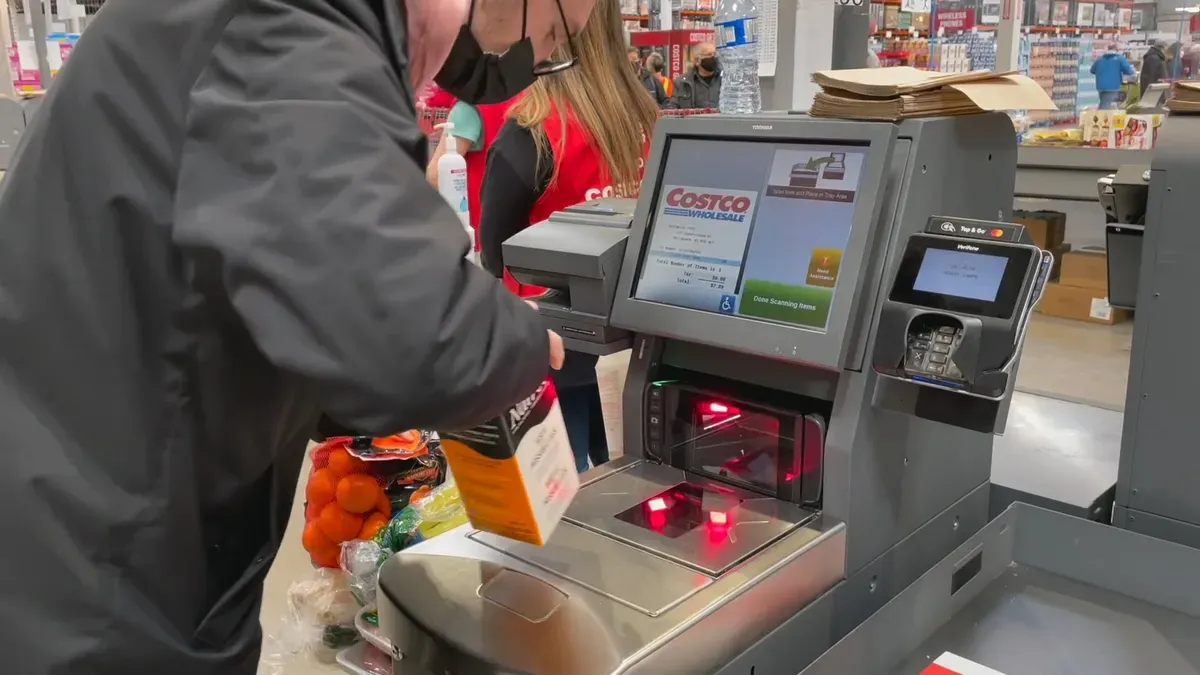
Stores can save a lot of money by needing fewer cashiers. Autonomous checkout systems do most of the regular checkout work. This means you do not need as many people at the registers. Staff can help with other jobs, like putting items on shelves or helping shoppers. Many stores have seen great results after using autonomous checkout. For example, Aldi saved 20% on labor costs after using Grabango’s technology. Walmart also had 15% less inventory loss, which helped lower labor costs.
Here is a simple chart showing how autonomous checkout changes staffing:
Area of Savings | Description | Quantitative Data |
|---|---|---|
Labor Cost Savings | Fewer cashiers needed, staff can do other tasks | |
Staff Requirements | Manual transactions need more staff | Significantly lowered |
Checkout-line labor hours | Less time spent at checkout counters | 25-40% reduction |
Lower Training Costs
It takes time and money to train new cashiers. Autonomous checkout means you do not need to train as many people on register systems. Staff can learn other skills that help the store more. This saves money on training books and classes. Over time, these savings help your store work better.
Decreased Turnover Expenses
Retail jobs often have many people leaving and new people starting. Every time someone quits, you must pay to hire and train a new worker. Autonomous checkout means you need fewer people at the front of the store. This helps lower the cost of hiring and training new staff. Workers who stay can focus on helping customers and keeping the store nice. This makes their jobs better and helps you keep good workers longer.
Using autonomous checkout helps you save money in many ways. You spend less on labor, training, and hiring new workers. These changes help your store run better and make more profit.
Operational Efficiency
Streamlined Checkout
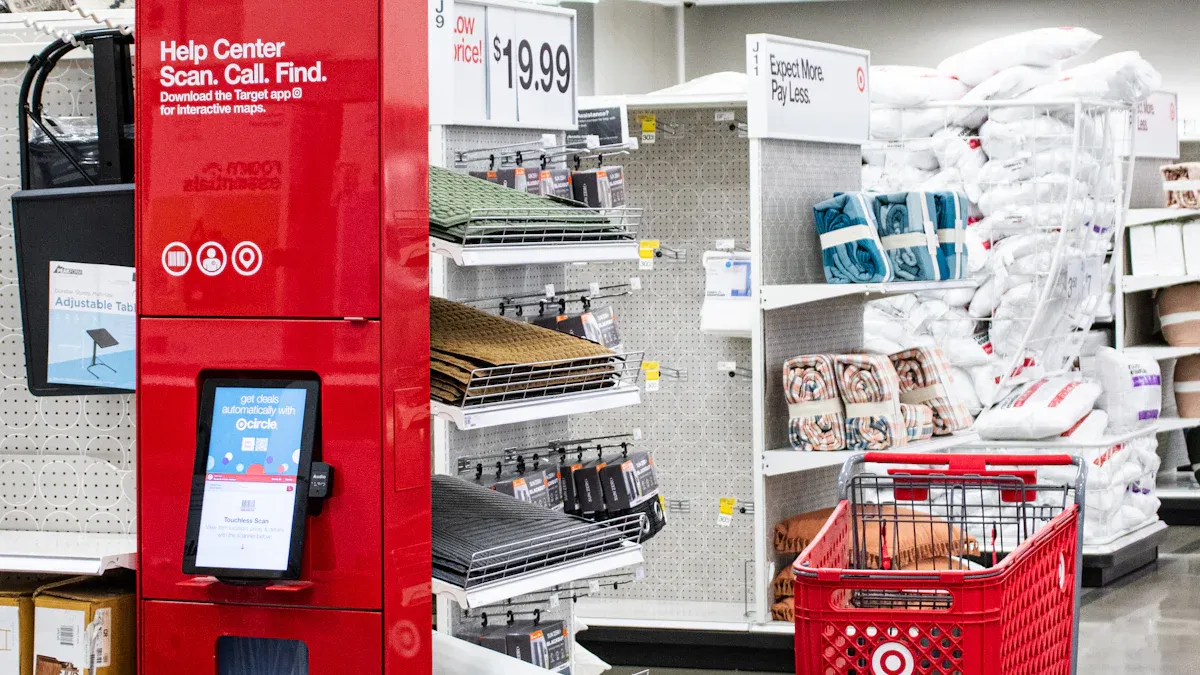
Autonomous checkout helps your store work better. These systems do the checkout steps for you. You do not need to do everything by hand. This means there are fewer mistakes. Service is also much faster. Many stores see workers get more done. Staff can help in other ways too. Here is a table that shows how automation helps your store:
Benefit | Description |
|---|---|
Increased Efficiency | Automation makes checkout faster and easier. |
Reduced Labor Costs | Fewer workers are needed, so you save money. |
Minimized Errors | Tracking in real time stops mistakes and losses. |
Higher Store Productivity | Workers can do other important jobs. |
Improved Profit Margins | Saving money with automation means you earn more. |
Faster Transactions
Autonomous checkout lets customers finish shopping quickly. Self-checkout can make checkout up to 30% faster. Long lines make many shoppers leave before buying. In France, 76% of shoppers have left because of waiting. Self-checkout lets many people pay at once. This makes lines move faster. Most people like using self-checkout. In fact, 73% of shoppers pick it over regular lanes. You can help more customers in less time. This often means you sell more.
Self-checkout makes lines shorter.
Many people can check out at the same time.
Shoppers finish faster and feel happier.
Lower Overhead
Autonomous checkout lowers your store’s costs. Automation does many daily jobs for you. This means you spend less money on workers. Inventory management gets better too. You lose less from missing items or shrink. These changes make your store cost less to run. Your store also works better.
Inventory tracking is more correct.
Stores work better and save money.
Tip: When your store works better, you save money and make shopping nicer for your customers.
Inventory Loss Prevention
Autonomous checkout systems help stop inventory loss early. These systems use smart technology to watch for theft and mistakes. They also look for missing items. You can see up to a 15% drop in inventory loss with these systems. This means you keep more products and save more money.
Automated Loss Control
Automated loss control gives strong protection. These tools use AI and cameras to watch shopping steps. They find problems fast and tell your staff right away. Here is a table that shows how each feature helps you:
Feature | Function |
|---|---|
Finds barcode switching and missed scans, alerts staff quickly. | |
Reducing Scanning Errors | Checks that every item is scanned the right way. |
Employee Oversight | Watches staff to catch insider theft. |
Illegal Activity Detection | Uses video to stop theft by customers or workers. |
Motion Detection | Spots odd actions, like standing too long or moving too fast. |
Object Tracking | Follows items from shelf to checkout to make sure they are paid for. |
Facial Recognition | Finds repeat offenders and shoplifters. |
Activity Monitoring | Watches the whole customer journey. |
Dwell Time Monitoring | Checks how long shoppers stay in certain spots. |
Customer Behavior Analysis | Spots actions like hiding items or skipping payment. |
All these features work together to keep your store safe and your inventory correct.
Shrinkage Detection
You can fight shrinkage with smart tools. Autonomous checkout systems use:
Staff training to spot suspicious actions.
Cameras that watch checkout and bagging areas.
Weight sensors to find items not scanned.
Regular audits to catch missing products.
Data analytics to find theft patterns.
Computer vision and RFID tags help too. These tools check if shoppers scan every item. They alert you if something is wrong. You can stop problems like skip scanning, product stacking, barcode switching, and walkaways.
Real-Time Tracking
Real-time tracking lets you see your inventory all the time. Computer vision, RFID, and weight sensors help you know what is on your shelves. They also show what is missing. Here is how these tools help you:
Shelf sensors tell you when items run out.
Staff get alerts before customers see empty shelves.
AI systems spot theft in risky areas.
You manage stock better and avoid empty shelves.
Autonomous checkout systems connect with your inventory software. This helps you make smart choices and keep your store running well. You save money, lose less, and make your store work better.
ROI and Long-Term Cost Savings
Investment vs. Savings
When you pick autonomous checkout, you must pay at first. You need to buy hardware and software. You also pay for services to set up the system. Small and medium stores may find these costs hard. You might spend more to link the new system to your old one. This setup can take a while and cost extra money.
But after you pay at first, you start saving money. You do not need as many cashiers, so labor costs go down. Your store works better and loses less inventory. Over time, these savings can be bigger than what you paid at first.
Note: Many stores hope to save up to half on staff costs and handle half more transactions with autonomous checkout.
Secondary Benefits
You get more than just saving money. Autonomous checkout makes shopping faster and easier for customers. Most people like short lines and quick service. In fact, 91% of stores say self-checkout helps sales by making transactions about 30% faster. You can also add loyalty programs to your checkout. This helps customers want to come back.
Here are some other good things you get:
Customers are happier because they wait less.
Sales go up since shoppers finish fast and buy more.
Loyalty programs help keep customers coming back.
Training costs drop since you train fewer cashiers.
Your store looks better for using new technology.
Benefit | Description |
|---|---|
Labor Cost Reduction | Cuts staff costs by up to half. |
Increased Sales | Lets you help more shoppers at once, so sales go up. |
Improved Customer Experience | Makes lines shorter and shopping more fun. |
Efficiency in Transactions | Makes checkout about 30 seconds faster each time. |
Queue Length Reduction | Makes lines up to 40% shorter when it is busy. |
Projected Annual Savings | Stores could save about $246 million each year by 2025. |
Payback Period
You want to know how long to get your money back. Most stores get their investment back in about 14 months. This is faster than other store technology, which can take two or three years. Fast returns mean you can spend more on your store sooner.
Some things change how fast you get your money back. The table below shows what matters most:
Factor | Description |
|---|---|
Upfront Investment Costs | Money you need at first for hardware, setup, and changes. |
Transaction Speed | Faster checkouts help you earn your money back sooner. |
Shrinkage Reduction | Less theft and fewer mistakes help you make more money. |
Implementation Strategy | Starting in busy areas first can help lower your risk. |
If you use computer vision for inventory, you may get your money back even faster. Most stores see full payback in less than two years.
Tip: A short payback time means you save money sooner and can use it to help your business grow.
You can save money in different ways with autonomous checkout. The table below shows where you save the most:
Area of Cost Savings | Description |
|---|---|
Labor Cost Reduction | You can lower labor costs by up to 40%. |
Inventory Loss Prevention | You might have up to 15% less inventory loss. |
Error Reduction | There are fewer mistakes at checkout. |
Improved Inventory Accuracy | You get updates on stock right away. |
Operational Efficiency | Transactions are faster and sales can go up. |
There are some things you should think about. High technology costs can be a problem. Privacy worries and less talking with people may also matter. If you make a good plan, you can get big rewards and help your store do better.
FAQ
What is autonomous checkout?
Autonomous checkout lets you pay for things without a cashier. You scan your items, pay, and then leave the store. Stores use sensors, cameras, and special software to watch what you buy.
How does autonomous checkout reduce labor costs?
Fewer cashiers are needed because machines do most of the work. Staff can help put items on shelves or help shoppers. This means stores spend less money on pay and training.
Is autonomous checkout safe for inventory?
Yes, it is safe. Smart systems keep track of every item in the store. You get alerts if something is missing or stolen. Watching in real time helps keep inventory correct.
How quickly can you see cost savings?
Most stores start saving money in about 14 months. They spend less on workers and lose fewer products. Saving money fast lets stores use it for other things sooner.
Will customers like autonomous checkout?
Many people like fast and easy checkout. Shorter lines and quick payments make shopping better. Most shoppers pick self-checkout when they can.
See Also
The Transformation Journey of Self-Checkout Systems
Addressing Cash Mistakes in Self-Checkout: Solutions Explained
Analyzing Walgreens Self-Checkout: Benefits and Hurdles Faced
Upcoming Changes to Walmart Self-Checkout Access in 2025
How Cloudpick's Checkout Technology Boosts Efficiency and Experience
