Choosing Between Computer Vision and RFID for Inventory Management

Imagine you run a busy store. You need to pick between computer vision and RFID to keep track of your products. You want the best tool for your store. Good inventory management stops shelves from being empty. It also makes customers happy. In the United States, stores had $740 billion in inventory in 2022. RFID can track inventory with 99% accuracy. Computer vision is growing fast in stores. Your choice changes your profits, accuracy, and how your store works.
Key Takeaways
Good inventory management makes sure shelves are full. It keeps customers happy and helps you save money. It also helps you plan better for the future.
RFID technology is very accurate for tracking inventory. It gives real-time updates and can scan many items at once.
Computer vision tracks inventory without using tags. It uses cameras to watch stock levels and find misplaced items.
Think about your store’s needs and budget before you choose. Decide if RFID or computer vision is better for your inventory management.
Using both RFID and computer vision together works well. This hybrid approach makes tracking more accurate and efficient. It gives you the best parts of both technologies.
Inventory Management in Retail
Why Inventory Matters
You need good inventory management to keep your store working well. When you track products the right way, you stop shelves from being empty. This keeps customers happy. Good inventory management also helps you spend less money and have just enough stock. You can fill orders fast and keep your store’s good name. If you know what sells and what does not, you can plan better. This helps you not waste money on things that do not sell.
Tip: Accurate inventory tracking lets you see trends. You can guess what your customers will want next. This can help you sell more and get loyal shoppers.
You save money by not having too much extra stock. You also make sure you do not run out of things people want. When you manage inventory well, your team works better. You can react quickly when people want more or less of something. This keeps your customers coming back.
Common Challenges
Many stores have big problems with inventory management. A new survey says 73% of stores have trouble with things like bad demand forecasting and underbuying. Stores that use only simple tools like spreadsheets have even more problems. For example, 36% of these stores buy too little. This means they lose sales and let customers down.
Here are some common problems you might see:
Bad demand forecasting can mean too much or too little stock.
Poor supplier management can cause late orders and empty shelves.
Slow warehouse work can make it hard to fill orders.
Challenge | Description |
|---|---|
Hard to keep the right amount of stock and avoid running out. | |
Overstock | Extra products use up money and space. |
Understock | Not enough products means lost sales and unhappy customers. |
Poor visibility into inventory | Hard to track items, which can cause shipping mistakes. |
Inefficient tracking and ordering | Manual systems make it hard to grow and keep up with sales. |
You also need to keep track of inventory in different places and know where items are right now. New technology can help, but it can be hard to set up and use if you do not have the right skills.
RFID for Inventory Control
How RFID Works
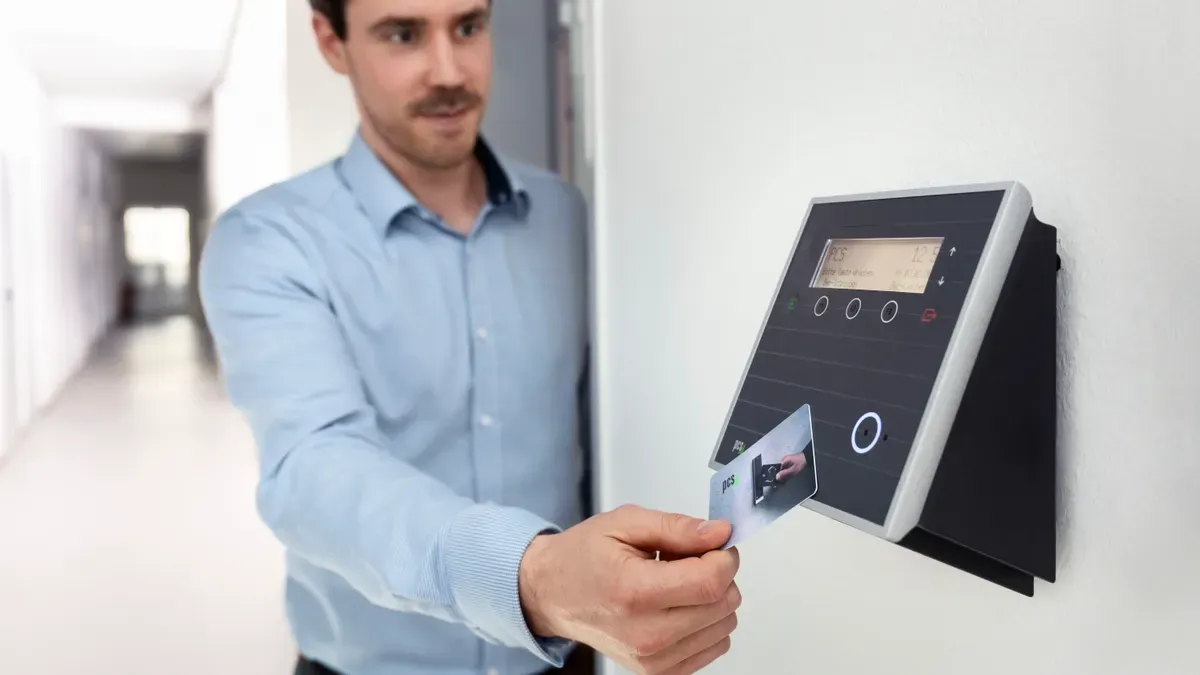
You use RFID to keep track of products in your store. RFID means Radio Frequency Identification. You put small tags on each item. These tags use special waves to send information to readers in your store. The readers get signals from the tags and send data to your inventory software. You can see where your products are and how they move. RFID lets you scan many items at the same time. You do not need to check each product one by one. You get updates about your inventory right away. For example, in clothing stores, you put tags on clothes when they are made. At big warehouses, you scan boxes or pallets without touching them. In stores, you use handheld readers to count items fast and correctly.
RFID Strengths
RFID gives you strong control over your inventory. You get updates almost right away and can track items in your warehouse, store, and shipments. You do not have to count things by hand, so you make fewer mistakes. You can find missing items fast by checking where they were last seen. RFID helps you not run out of stock and stops you from having too much. You make sure products are there for customers and help stop theft. Stores using RFID see inventory accuracy go from 65% to 95%. Some stores sell up to 5.5% more because they know what is in stock. You can set up automatic reorders when you are low on items. Auditors may trust RFID counts if you show they are correct.
Example | Benefit |
|---|---|
Improvement in overall accuracy | RFID can make inventory accuracy over 98%, which helps sales go up. |
Receiving | RFID lets you check shipments fast and right, no need to see the tags. |
Finding items | Handheld RFID wands help you find things quickly. |
Cycle count time | RFID makes counting faster and better. |
Removal of formal counts | Auditors may trust RFID counts after you prove they are right. |
Auto reorders | RFID lets you set up automatic orders for more stock. |
RFID Weaknesses
RFID has some problems. You need to buy tags and readers, and this can cost a lot at first. You might have trouble with signals if your store has metal shelves or lots of liquids. Passive RFID tags cannot be read from far away. You cannot use your phone as a reader; you need special tools. Security can be a problem. People with the wrong tools might scan tags and copy their data, which can lead to fraud. You need to set up the right system, and this takes time and money. If you want to tag every item, it can get very expensive.
Note: RFID works best if you want organized inventory control and can pay for the setup. You should think about the costs and security risks before you choose RFID for your store.
Computer Vision in Retail
How Computer Vision Works
Computer vision lets you track inventory without tags or barcodes. Cameras watch your shelves and products all day. The software looks at the shelves and sees what is there. It finds empty spots, low-stock items, and things in the wrong place. You get updates right away about your stock. Computer vision follows products as they move in your warehouse. It can spot mistakes, like items in the wrong spot or people moving things without permission. This helps you fix problems quickly.
Tracking inventory during receiving, storage, and shipping
Spotting misplaced products and unauthorized movements
Computer Vision Strengths
You do not need to tag every item. Computer vision works well for things like fresh produce, where tags do not stick. The system finds missing price tags and misplaced items. This keeps your shelves neat and your planograms correct. You can stop theft and keep better control of your stock. Stores use computer vision for automated checkout, so customers wait less in line. You also get better inventory visibility and fewer mistakes.
Tip: Computer vision helps your store run smoothly. You can see what is happening on your shelves anytime.
Improved accuracy for tag-free items
Prevention of mis-merchandising
Better customer experience with shorter lines
Computer Vision Weaknesses
Computer vision has some challenges. The system can have trouble with products that look alike or have new packaging. Bad lighting or crowded shelves can make it less accurate. You need strong internet and lots of computer power for video data. Staff may worry about privacy, and you must follow rules about visual data. Training your team and updating the system takes time and money.
Challenge | Description |
|---|---|
Product Recognition Accuracy | Hard to tell apart similar products or new packaging. |
Environmental Variables | Lighting and obstructions can lower accuracy. |
Handling Rate and Volume | Fast-moving products can confuse the system. |
Legacy System Compatibility | Older systems may cost more to upgrade. |
Data Storage Growth | Storing video data can get expensive. |
Employee Monitoring Concerns | Staff may feel watched and resist the change. |
Consumer Privacy Regulations | You must follow strict rules about using visual data. |
RFID vs Computer Vision
Accuracy and Reliability
You want your inventory numbers to be right every time. RFID systems are very accurate, reaching 95% or more. You can scan many things at once. This makes checking inventory faster and helps stop mistakes. RFID tags are good for scanning lots of items quickly. They also help you see your stock in real time. Stores using RFID lose fewer sales because they know what is in stock.
Computer vision can also be very accurate, between 95% and 98%, if things are set up well. Cameras watch the shelves and can find empty spots, items in the wrong place, and products that are running low. How well computer vision works depends on light, where you put the cameras, and how products are packed. If shelves are crowded or items are small, it may not work as well. You do not need special tags, so you can track things like fresh fruit that RFID cannot tag.
Tip: Both tools help you find missing inventory. RFID scans items fast, while computer vision finds empty spots and misplaced things.
Cost and Scalability
You need to think about how much money you will spend before picking a system. RFID systems can cost from $10,000 to over $100,000 to start. You pay for readers, software, and making everything work together. Each RFID tag costs between ten cents and five dollars, depending on what it does. Barcode systems are cheaper, but they do not give you real-time updates.
Computer vision hardware costs between $25,000 and $100,000 for a medium store. You need good cameras, computers, and a strong network. Cameras cost $200 to $1,200 each, and you might need 10 to 50 cameras. Edge devices cost $1,500 to $6,000. Upgrading your network for video can cost $5,000 to $15,000. Servers for data and analytics cost $10,000 to $50,000.
RFID works well in clothing stores and places with lots of products. You can start small and add more later. Computer vision works for many types of products, but you need to plan for privacy and storing lots of data. Both systems cost money, but they help you save by stopping mistakes and lost sales.
Technology | Setup Cost Range | Tag/Camera Cost | Scalability Notes |
|---|---|---|---|
RFID | $10,000-$100,000+ | $0.10-$5/tag | Start with high-volume areas |
Computer Vision | $25,000-$100,000 | $200-$1,200/camera | Flexible, but needs strong network |
Operational Fit
You need a system that works with how your store runs. RFID is best for stores with organized inventory and tagged items. You have to set up readers and connect the software to your current systems. RFID helps you track products in warehouses, stores, and when shipping. Your staff must know how to use and take care of the system.
Computer vision is good for stores with many kinds of products, even ones you cannot tag. You put up cameras and link them to your inventory software. The system watches shelves and sends alerts when stock is low or items are out of place. You need to set clear goals and make sure your data is correct. Computer vision makes reports for you and helps customers by cutting down on manual work.
Note: Pick the technology that fits your store’s needs. Clothing stores often use RFID, but stores with fresh food or many different products use computer vision.
Use Cases
You can use RFID and computer vision in many ways. RFID is great for tracking clothes, electronics, and boxed goods. You can scan things quickly and make checkout faster. RFID helps you find missing products and stops theft. Stores like Macy’s use RFID to lower losses and sell more.
Computer vision helps you watch shelves, find empty spots, and stop items from being put in the wrong place. You can track fresh food, bakery items, and things without tags. The system helps with checkout and stops loss. You get alerts right away and can see your inventory better.
Some stores use both RFID and computer vision together. You can also use barcodes with computer vision to save money. This way, you connect data to barcodes and use smart vision software. Hybrid systems help you find missing stock, track inventory, and watch how customers shop. Smart carts with sensors and cameras make shopping easy and keep inventory counts right.
Tip: Using both systems gives you more benefits and less risk. You get the best parts of each and make your inventory management better.
Choosing the Right Solution
Key Questions for Decision-Making
You need to ask the right questions before you choose a new inventory system. Start by thinking about your store’s goals and what you want to improve. Here are some questions to guide you:
What is your budget for new technology?
Do you need real-time updates or will daily counts work?
Can your team use new tools easily?
Do you sell products that are hard to tag, like fresh food?
How important is privacy and data security for your store?
Do you want to reduce theft or focus on faster restocking?
These questions help you see what matters most for your business.
Assessing Business Needs
You should look at your current inventory process. Make a list of what works and what does not. Try these steps:
Run a full inventory audit to see how well your system works now.
Write down each step your team takes to track stock.
Find places where mistakes or delays happen.
Set up a strong SKU management system for better tracking.
Use good data tools to keep your inventory and sales clear and honest.
Match your stock levels with what customers want to buy.
When you do this, you can spot problems and pick the best technology for your store. You will see better inventory tracking, faster reordering, and lower costs. Your customers will notice better service and you can plan sales more accurately.
Hybrid Approaches
Sometimes, using both RFID and computer vision gives you the best results. A hybrid system can speed up your work and make your inventory counts more accurate. You get real-time data and can stop theft more easily. This approach helps you move from old systems to new ones without big problems.
Benefit | Description |
|---|---|
You can check inventory much quicker. | |
Accurate Inventory Visibility | You see your stock levels in real time. |
Reduced Shrinkage & Theft | You lower losses from theft. |
Better Demand Forecasting | You can plan what to order more easily. |
Smooth Migration Path | You switch from old to new systems with less trouble. |
Many stores have seen success with hybrid systems. For example, a large electronics store in Asia-Pacific used computer vision and RFID together. They cut theft by more than half and sold more in each store. A discount retailer in North America used robots and cameras to track stock. They had fewer empty shelves and higher sales.
Tip: If you want the best of both worlds, think about a hybrid system. You can solve more problems and make your store run better.
You have many options for inventory management. RFID and computer vision each offer unique strengths. The best choice depends on your store’s needs and goals. You may even find that a hybrid approach works best. To choose the right solution, follow these steps:
Align technology with your goals and growth plans.
Set clear inventory targets, like fewer stockouts.
Compare options that fit your current systems.
Check the support and services from providers.
Take time to review your challenges. The right technology will help your store succeed.
FAQ
What is the main difference between RFID and computer vision?
RFID uses tags and readers to track items. Computer vision uses cameras and software to see and count products. You do not need to tag items with computer vision.
Can you use RFID and computer vision together?
Yes, you can use both systems. A hybrid approach gives you better accuracy and more ways to track inventory. You get real-time updates and can spot problems faster.
Is computer vision safe for customer privacy?
You must follow privacy laws when using cameras. Most systems focus on products, not people. You should tell customers about cameras and keep data safe.
Which system costs less to start?
RFID usually costs less if you have a small store or few products. Computer vision costs more at first but works well for many types of items. You should check your budget before choosing.
See Also
A Side-by-Side Analysis of Amazon Go and Cloudpick
Unveiling the Flexibility of Multi-Price Vending Machines
The Impact of Smart Technology on Electronics Vending Machines
Fast Food Automation: The Emerging Role of Vending Machines
Enhancing Office Efficiency with Innovative Vending Solutions
